
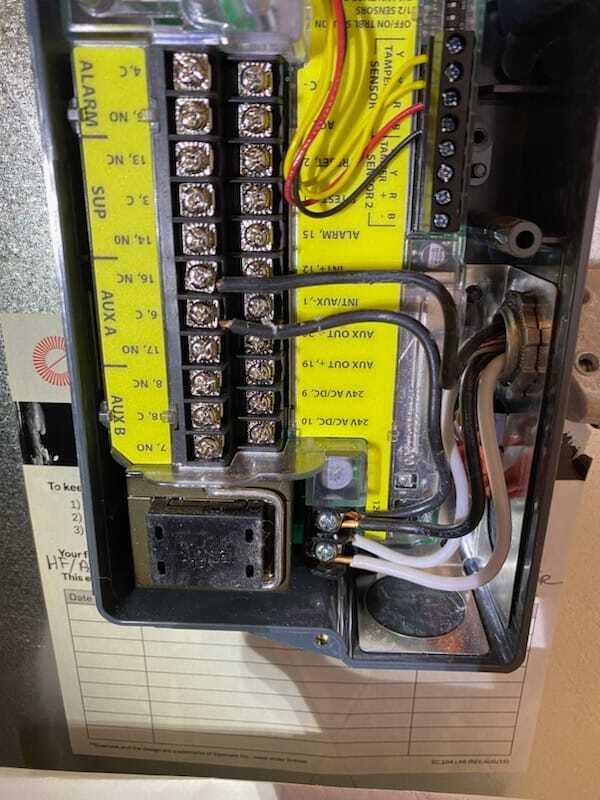
As summer temperatures rise, the use of electrical devices such as fans, air conditioners, and cooling systems increases, underscoring the importance of a reliable electrical distribution network. The distribution board is a vital component of the electrical system, ensuring safe power distribution throughout a property.
Distribution boards are essential in residential, commercial, and industrial environments for managing electrical loads, preventing faults, and maintaining a continuous power supply. Understanding different distribution panels enables property owners, contractors, and facility managers to make informed, safety-oriented, and efficient decisions. This guide describes the main types of distribution boards, their functions, typical applications, and key considerations for installation and maintenance.
A distribution box (DB box) is a circuit-breaker enclosure and an essential part of any electrical system, serving as its central hub. The hub transfers electrical power from a single input source to multiple circuits throughout the building. Whether for a home, office, or factory, the DB box ensures power is utilised safely and efficiently. It supplies power to various systems and devices.
The main role of the power distribution box is to provide a safe, organised way to control electrical system circuits. It serves as a protective enclosure that houses essential components, including circuit breakers, fuses, and bus bars. These components collaborate to safeguard the electrical system against faults such as short circuits or overloads that could cause damage.
Various types of distribution boards exist; each tailored to specific requirements and standards.
Main switch distribution panels function as the main control point for an electrical system. They oversee the electrical power for the entire structure and safeguard against overloads and shorts. They come in a variety of sizes and configurations to suit various installation needs requirements.
These are utilised to direct electrical power from main switchboards to different sub-circuits within a system building. They are often installed at every level or in various parts of large structures to ensure efficient electrical distribution. These panels are equipped with circuit breakers or fuses that safeguard the subcircuits against faults and faults and overloads.
As the name suggests, the final distribution boards supply power to the final-stage circuits, such as lighting, power outlets, and HVAC systems. Usually installed near the devices they serve, these boards are designed to accommodate a fixed number of loads and circuits.
Feeder pillars are exterior distribution enclosures that supply electricity to street lighting, outdoor power sockets, and other external electrical systems. They are built to withstand harsh weather and protect against vandalism tampering. Feeder pillars usually contain protective components like circuit breakers, fuses, and surge arrestors.
Motor control centres manage and distribute electricity to motors and related equipment. They consist of motor starters, control units, and safety devices to promote safe and efficient operation. MCCs are frequently used in industrial and commercial settings with numerous motors in operation use.
This board is permanently mounted directly to the wall rather than set into or recessed within it. It’s often used in service departments, shops, underground rooms, and older buildings where cutting into the wall isn’t practical. This design allows for easy installation, inspection, and maintenance, making it a reliable choice for utility-focused spaces.
Installed flush with the wall, it provides a sleek, modern look. Commonly used in new residential and commercial buildings where appearance is important, this board enhances aesthetics while maintaining safe, organised electrical distribution.
Regularly maintaining and correctly installing your distribution box is essential for its durability and optimal performance. Here are some key tips to keep in mind:
Install the distribution box in a dry, well-ventilated area suitable for industrial settings, accounting for dust and humidity levels.
Ensure that licensed professionals manage the wiring of DB circuit breakers and grounding systems to ensure safety.
Regularly check for signs of wear, loose connections, or circuit issues. Ensure the grounding bus bar is securely attached to prevent loose connections that could cause faults.
For the best installation quality, select high-quality components such as fuse boxes, main lug panels, and automatic transfer switches.
Install a subpanel now to accommodate future power demand and avoid costly upgrades later.
Selecting the appropriate distribution boards is crucial for ensuring the efficiency, safety, and dependability of any electrical system. The right board facilitates effective load management and shields circuits from overloads and short circuits.
Proper installation and regular maintenance improve system performance and lower the chance of electrical failures. Through careful planning and the use of high-quality components, an electrical system can operate safely, support future expansion, and provide dependable power over time.