
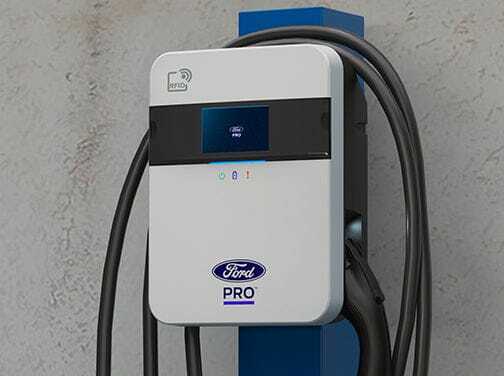
Electric cars are becoming more common as people look for cleaner and more cost-effective ways to travel. With this shift in grooming, a reliable electric car charger at home or at work is quickly becoming a necessity rather than a luxury. A standard power outlet.
This blog explains how electric car chargers are installed, what you need to know before getting one, and why professional installation is important for long-term safety and performance.
An electric car charger is a device that supplies electricity to an electric vehicle’s battery so it can run. Think of it like a fuel pump for electric cars, but instead of gasoline, it gives power in the form of electricity. Chargers can be installed at home, at work, or at public charging stations, and they come in different speeds depending on how fast they can charge your car.
There are several types of electric car chargers, which are explained below:
Things to check before installing an electric car charger:
Here is a simple step-by-step process to install it safely:
Decide which charger type best fits your car and your needs. Consider charging speed, cost, and compatibility with your vehicle.
Select a convenient spot near your parking area. Make sure it is dry, easily accessible, and has enough space for the cable.
Ensure your home’s electrical panel can handle the charger. You may need a 240-volt outlet for Level 2 chargers or a dedicated circuit for faster charging.
It is recommended that you hire a qualified electrician and have them install any outlets or dedicated circuits for your EV charger. Ensuring proper installation will help keep you safe and in compliance with local codes.
Secure the charger on the wall or a stand, following the manufacturer’s instructions. Make sure it is stable and at a comfortable height.
The electrician will connect the charger to your electrical panel. This includes wiring and is tested to ensure everything works safely.
Once installed, test the charger with your car to make sure it charges correctly. Check for any error messages and ensure the cable reaches your vehicle easily.
Confirm all connections are secure, and there are no exposed wires. Make sure the area around the charger is clear and safe to use.
Typically, the cost for installing an EV charger will be between $500 to $3,500, depending on the type of charger you choose, how much power your residence’s electrical service can supply, and how extensive the wiring needs to be run to get the charger installed.
Basic installations cost less if no upgrades are needed, while level 2 chargers may cost more due to higher power requirements. Extra electrical work or permits can increase the overall cost.
Installing an electric car charger at home makes owning an electric vehicle more practical and convenient. When you understand the different charger options, prepare your home properly, and plan for the costs, the installation process becomes much easier. Taking the time to do it right also helps ensure safety and reliable charging in the long run. Choosing professional installation and following local guidelines will give you peace of mind and a smooth charging experience every day.