
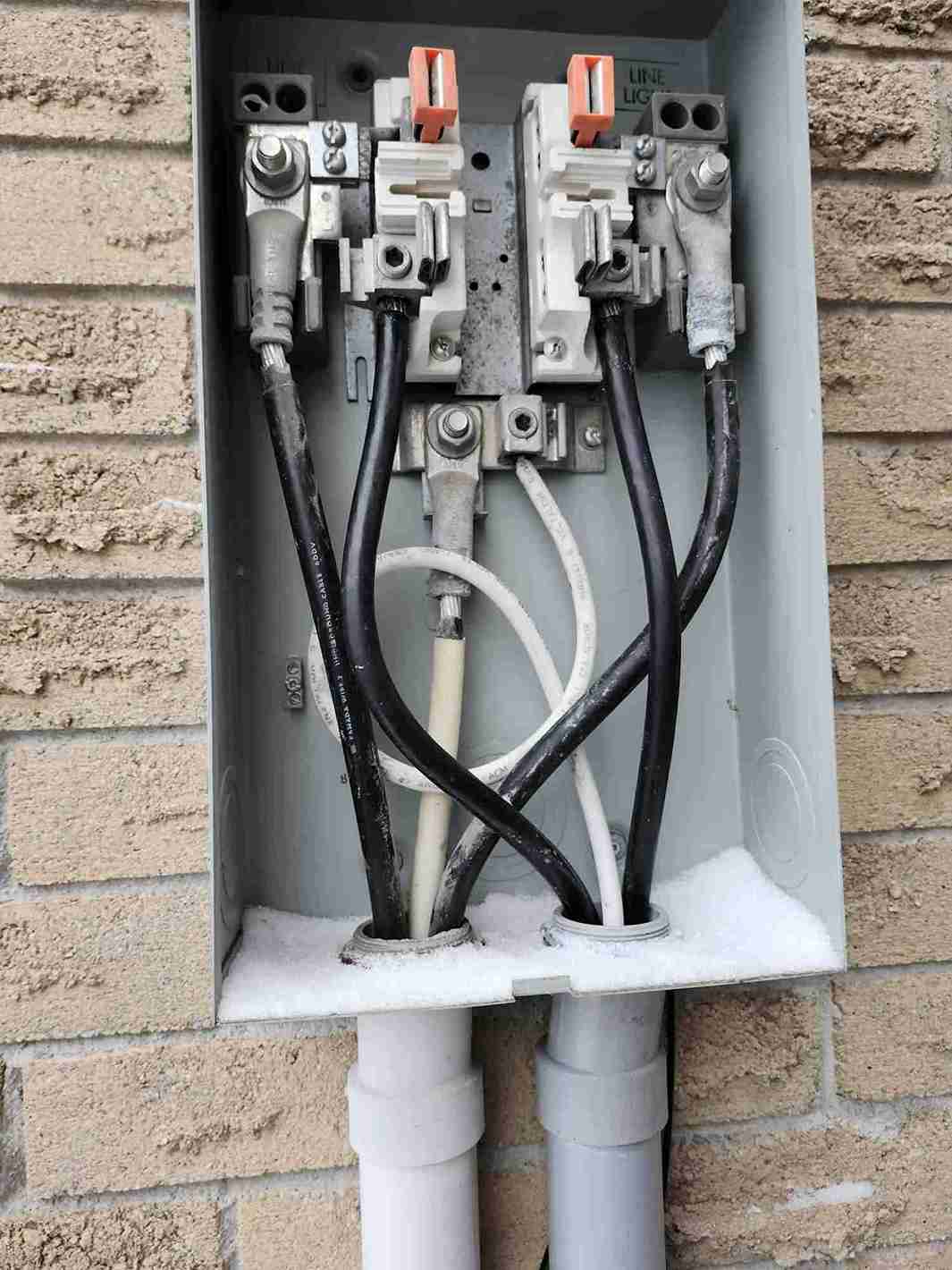
Do you know how electricity is safely distributed throughout your home? A power distribution board is used in conjunction with electrical wiring to distribute the electricity evenly and steadily throughout your house. You can find this crucial component in various electrical systems used in homes, businesses, and factories.
This blog provides detailed information on the distribution board, including its key components, how it works, and why it is needed.
A power distribution board, also known as an electric panel or fuse box, safely distributes electricity to different parts of a home through dedicated wires. It is typically installed at the point where the main power line enters the house.
Typically, it is a complete electrical system that includes neutral linkages, an earth-leakage device, interconnecting cables, and a central switch. This setup ensures safe and efficient electrical distribution in your home or building. This central switch controls the electricity flow throughout the house.
A power distribution board is not just a metal enclosure; it’s a structure built to allocate electricity safely and reliably across a building. The main parts of these boards are:
The main switch controls the whole electrical system and ensures safety by providing complete power isolation.
Main circuit breakers (MCBs) trip automatically during overcurrent or short circuits. They prevent dangerous conditions by stopping excess current.
When electricity passes through an unintended conductor, such as a person, it can cause a serious electric shock. Residual current devices (RCDs) notice this leakage and promptly disconnect the circuit to avoid electric shock.
Crafted from copper or aluminum, busbars distribute power from the main supply to the rest of the distribution board. These metallic strips or bars organise power and distribute it efficiently.
Neutral bars in the distribution board gather the return current from all loops and direct it back to the power supply. On the other hand, the earth bars allow fault current to flow to ground, protecting personnel and equipment from electric shock.
Providing a way to organise incoming and outgoing wires, terminal blocks ensure that wiring is routed accurately within the distribution board to maintain connections.
The enclosure is the metal box that houses the distribution board’s components and protects them from physical damage and environmental factors. To guarantee the electrical system operates efficiently, it must be designed to meet safety standards.
Distribution boards, or distribution panels, operate silently in the background. It monitors, controls, and protects against any electrical hazards. Understanding its operation allows you to make informed decisions and respond to emergencies to ensure the safety of a building and its occupants.
Here is a step-by-step process of how a power distribution board supplies electricity to a household:
The power distribution board (PDB) divides a single main power feed into multiple, smaller circuits for a building. Key uses and functions of distribution boards are:
A power distribution board is important for safely distributing electricity in a building. It helps manage load and protects against electrical faults, significantly improving system safety and stability. Each component of the distribution board has a specific role. Understanding its key elements and how it operates helps you identify potential faults and handle emergency situations effectively.